
DC-Coupled EV Charging for Solar Homes: Benefits and Design Limits
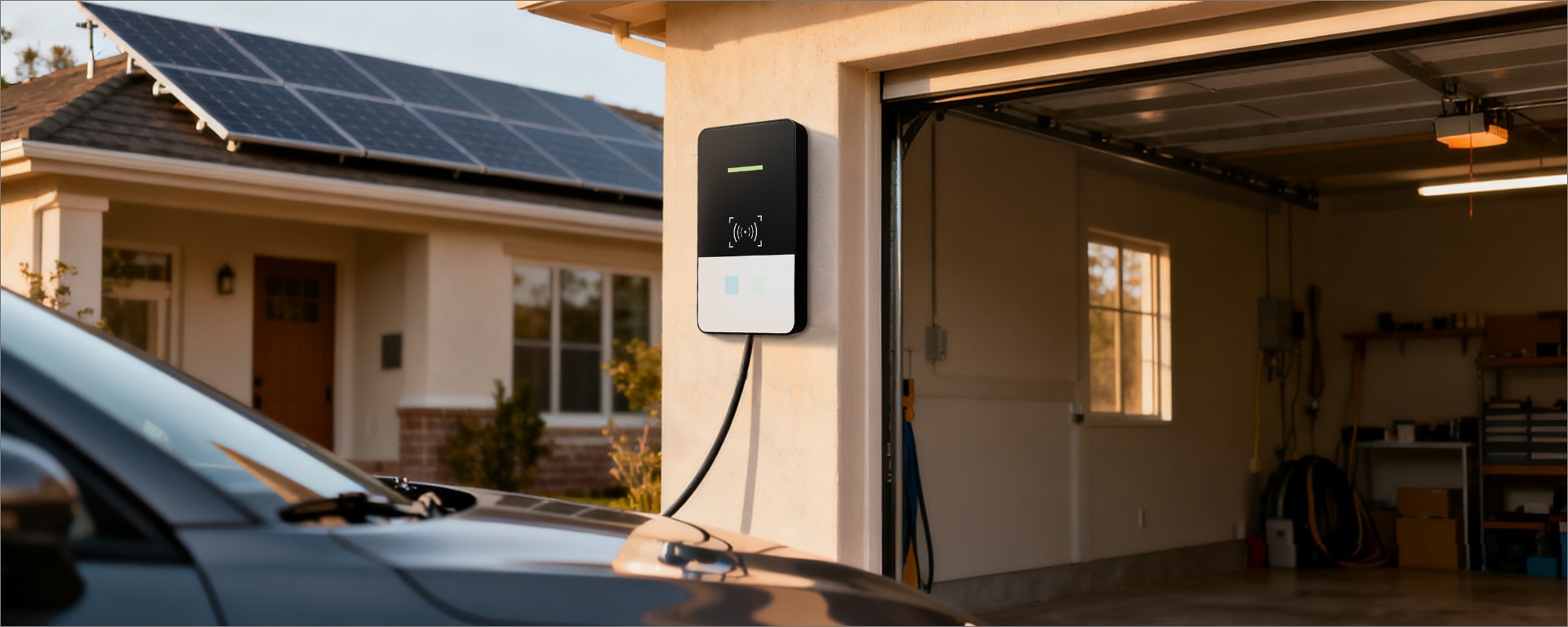
DC-coupled EV charging allows solar homes to send photovoltaic power to EV batteries with fewer conversion steps. Compared with traditional AC charging routes, it can improve energy use efficiency by reducing repeated AC/DC conversion losses. A typical home solar system of 5–15 kW paired with a 10–40 kWh battery can support daily EV charging needs of 10–30 kWh. The main advantage is higher solar utilization, while the main limits come from hardware compatibility, cost, and installation complexity.
Residential energy systems are changing as more households install rooftop solar and electric vehicles. In 2024, global EV sales exceeded 17 million units, and many owners began looking for ways to use more self-generated electricity for transportation. A conventional AC charging setup sends solar power through a photovoltaic inverter, household wiring, and an EV onboard charger before reaching the vehicle battery. Each conversion stage creates efficiency losses, with individual power electronics often operating around 95–98% efficiency.
A DC-coupled system connects solar generation, battery storage, and EV charging equipment through a shared DC pathway. Instead of converting electricity from DC to AC and then back to DC, the system can transfer solar energy directly to the vehicle battery when voltage conditions match. In some residential applications, this approach can reduce conversion losses by approximately 3–8% compared with multi-stage AC charging systems.
“A solar-to-EV pathway with fewer conversion steps can improve daily energy utilization, especially when charging happens during peak solar production hours.”
The efficiency improvement depends on how the system is designed. A 10 kW rooftop solar array may generate 35–60 kWh per day under favorable conditions, while a commuter EV may require 12–25 kWh for daily driving. If charging occurs between 10 a.m. and 3 p.m., direct DC charging can increase the portion of solar electricity stored in the vehicle rather than exported to the grid.
This energy matching becomes more important when battery storage is included. Many modern solar homes use batteries between 10 and 30 kWh to store excess daytime generation. A DC-coupled architecture can allow solar power to charge both stationary batteries and EV batteries through coordinated power control, reducing unnecessary conversions and improving system flexibility.
The technical design depends heavily on voltage compatibility. Residential battery systems commonly operate around 350–500 V DC, while EV battery packs vary widely, with many passenger vehicles using 400 V systems and newer models moving toward 800 V platforms. If voltage levels do not match, additional DC/DC converters are required, which can reduce efficiency gains.
| Component | Common residential range | Design consideration |
|---|---|---|
| Solar capacity | 5–15 kW | Determines available charging energy |
| Home battery | 10–40 kWh | Stores excess solar production |
| EV battery voltage | 350–800 V DC | Affects charging compatibility |
| Charging power | 7–22 kW | Influences equipment size |
| System efficiency | 90–98% | Depends on conversion stages |
The charger rating also affects installation requirements. Many homes use 7 kW or 11 kW AC chargers because they work with existing electrical systems. Higher-power residential DC solutions require more advanced components, including dedicated converters, thermal control systems, and communication interfaces.
A 22kW residential DC EV charger can provide a higher charging rate than common home AC chargers, but the actual charging speed depends on solar production, battery capacity, grid connection limits, and vehicle acceptance rate. A vehicle capable of accepting only 11 kW cannot use the full output of a higher-rated charger.
Higher charging power also increases electrical design requirements. A 22 kW charging system may require approximately 32 A current on a three-phase supply, depending on regional electrical standards. Homes with limited grid connections may need load management to avoid exceeding service capacity when appliances, heating systems, and EV charging operate together.
The connection between charging speed and household energy management creates another design consideration. A smart charging system can adjust EV charging according to solar output, electricity prices, and household consumption. In regions with time-of-use electricity pricing, shifting charging from expensive evening periods to lower-cost solar hours can reduce annual electricity expenses.
For example, an EV traveling 15,000 km per year with an energy consumption of 18 kWh per 100 km requires around 2,700 kWh annually. If a solar system supplies 70% of this energy, approximately 1,900 kWh can come from household solar generation. The actual financial outcome depends on local electricity prices, installation costs, and available incentives.
However, DC-coupled systems are not suitable for every home. Existing houses with installed AC solar systems may require significant equipment replacement to adopt DC coupling. In comparison, new residential developments can integrate DC architecture during the original electrical design process.
“The best system design depends on solar size, EV usage patterns, battery storage plans, and local electrical conditions rather than charging power alone.”
Communication standards are another factor affecting long-term compatibility. Modern smart charging systems use protocols such as ISO 15118 to exchange information between vehicles and charging equipment. These communication functions support features including charging schedules, battery status information, and future vehicle-to-home applications.
Vehicle-to-home capability may increase interest in DC-coupled charging because EV batteries can serve as temporary household energy storage. A typical EV battery with 60–100 kWh capacity is larger than many residential stationary batteries. During outages or high electricity price periods, this stored energy could support selected household loads if compatible hardware is installed.
Safety requirements also become more important as DC voltage increases. Unlike AC systems, high-voltage DC connections require specific protection devices, insulation monitoring, and thermal management. Equipment must meet regional certification standards, such as UL standards in North America or IEC standards in Europe, before residential installation.
The cost difference remains one of the main factors affecting adoption. A basic AC home charger may cost hundreds to a few thousand dollars depending on installation conditions, while DC-coupled solutions require additional power electronics and control equipment. The economic benefit is stronger for households with large solar systems, frequent EV use, and higher electricity prices.
Future residential charging systems are likely to include a combination of AC and DC technologies. AC chargers will continue to serve many homes because of their simplicity and lower installation requirements. DC-coupled charging will be more common in new solar-plus-storage projects where efficiency, energy independence, and smart energy management are important design goals.
DC-coupled EV charging provides higher solar utilization and better integration with battery storage, but its success depends on matching system design with real household energy needs. Proper selection of solar capacity, battery size, charging power, and electrical infrastructure determines whether the additional equipment provides practical benefits over traditional charging methods.
The next step
If this resonated, your talk deserves the same attention.
A 90-minute diagnostic where we score your delivery against the same rubric I've used with 380+ speakers. Limited to fourteen clients per quarter.
Claim Your Diagnostic